Best Practices for Upkeep and Applications in the Light Weight Aluminum Shop Industry: An In-depth Summary
Preserving equipment in the aluminum factory sector is vital for operational success. Routine evaluations and anticipating maintenance can considerably minimize downtime and boost safety and security. Advanced innovations, such as IoT and information analytics, play a pivotal role in this process. Comprehending the full range of best techniques requires a closer exam of details methods and their effects on efficiency. What are the essential components that contribute to a reliable maintenance structure?
Importance of Routine Upkeep in Aluminum Foundries
Regular upkeep plays a vital function in the reliable operation of light weight aluminum factories. By systematically servicing and inspecting devices, foundries guarantee peak efficiency and durability of machinery. Normal upkeep tasks, such as part, cleansing, and lubrication replacement, help stop unforeseen failures that can cause costly downtime.
Moreover, regular checks enhance workplace safety by recognizing potential risks before they rise right into major problems. Tools that is well-kept runs extra properly, leading to boosted product high quality and reduced waste. Furthermore, adherence to a structured maintenance timetable can support compliance with industry guidelines, therefore fostering a reputation for dependability and quality within the marketplace.
Implementing Predictive Maintenance Strategies
Predictive upkeep techniques take the concepts of regular upkeep a step better by leveraging information analytics and advanced monitoring innovations. In aluminum shops, these strategies make it possible for drivers to prepare for tools failings before they take place, therefore minimizing unintended downtimes and optimizing functional efficiency. By utilizing sensing units and IoT gadgets, real-time data can be collected on machine efficiency, enabling the recognition of potential problems via predictive analytics.
Optimizing Melting and Pouring Processes
Effective melting and pouring processes are important for optimizing efficiency and guaranteeing the top quality of aluminum castings. To boost these procedures, factories ought to concentrate on accurate temperature level control throughout melting, as this directly influences the metallurgical homes of the alloy. Using sophisticated melting technologies, such as induction and resistance melting, can enhance energy performance and reduce cycle times.
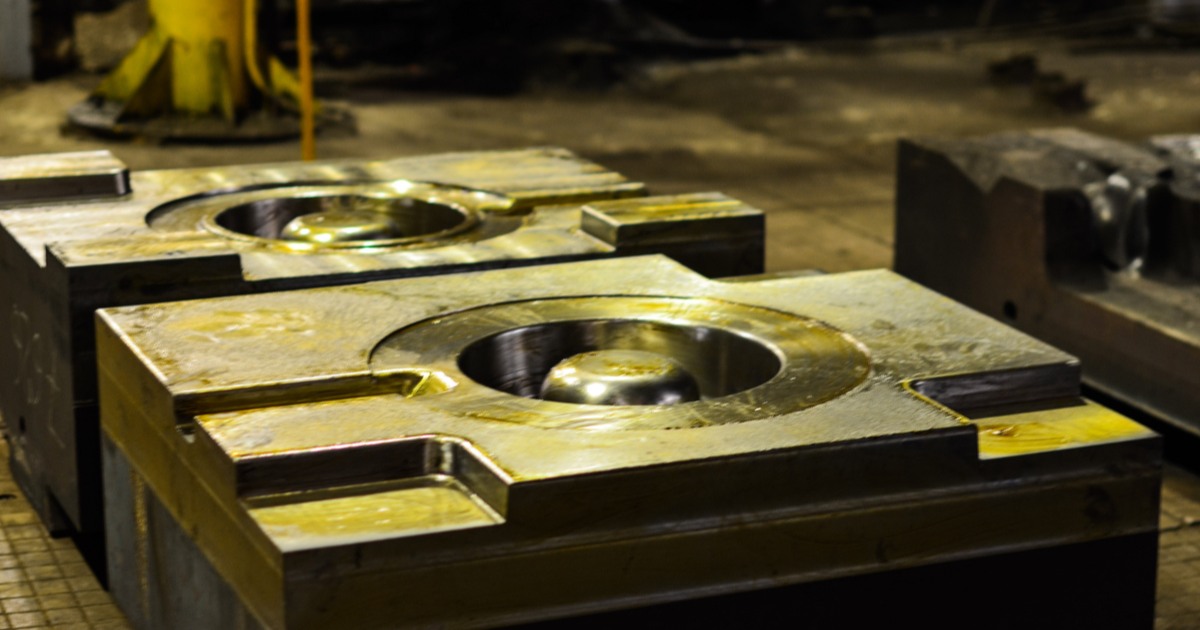
Implementing automated pouring systems minimizes human mistake and preserves consistency in the pouring process. Correct mold and mildew preparation, consisting of sufficient preheating, is vital to protect against thermal shock and enhance mold and mildew longevity.
Enhancing Safety And Security Methods in Factory Workflow
Focusing on security in aluminum factory procedures is crucial for protecting workers and guaranteeing a productive environment. Effective safety protocols consist of regular training sessions that stress the value of individual protective tools (PPE), such as handwear covers, safety glasses, and safety helmets. Additionally, the facility of clear emergency procedures is essential in handling potential crashes.
Regular assessments of tools and equipment help determine hazards prior to they rise right into major issues. Applying a robust coverage system motivates employees to interact security concerns without concern of effect. Fostering a culture of safety guarantees that every worker understands their function in maintaining a safe workplace.
On top of that, assuring proper air flow and surveillance air quality can alleviate exposure to harmful fumes and dust. By reinforcing these practices, aluminum foundries can substantially minimize the threat of mishaps and develop a setting where workers feel valued and safe, eventually improving overall functional efficiency.
Leveraging Technology for Improved Performance
Utilizing innovative modern click here for more info technology has actually ended up being significantly important for light weight aluminum shops intending to enhance functional performance. Automation and robotics play a vital duty in improving manufacturing processes, decreasing labor prices, and reducing human mistake. Implementing real-time monitoring systems permits the continual analysis of equipment performance, allowing positive upkeep and decreasing downtime.
In addition, the assimilation of information analytics provides important insights into operational process, facilitating far better decision-making and resource appropriation. Anticipating analytics can determine possible failures before they happen, additional optimizing maintenance schedules.
In addition, taking on sophisticated melting and spreading modern technologies improves power performance and product return, which are essential for sustainability in the industry. By welcoming these technical developments, aluminum shops can not only enhance productivity however also keep an one-upmanship in a significantly requiring market (Aluminum Casting). Eventually, leveraging technology is crucial in driving technology and enhancing general operational performance within the field

Frequently Asked Questions
What Are Typical Indicators of Equipment Use in Light Weight Aluminum Foundries?
Usual indications of equipment wear in light weight aluminum foundries include uncommon noises, reduced performance, raised vibration, overheating parts, leaks, and noticeable rust. These signs commonly signify the demand for maintenance or potential replacement to avoid pricey downtime.
How Can I Train Personnel for Effective Upkeep Practices?
To train staff for effective maintenance practices, one can implement hands-on workshops, develop thorough guidebooks, motivate mentorship programs, and conduct regular assessments to examine skills and expertise, ensuring all staff members recognize upkeep procedures extensively.
What Are the Environmental Rules for Aluminum Foundries?
Light weight aluminum foundries are subject to different ecological laws, including emissions control, waste administration, and source conservation. Conformity assurances marginal ecological influence, advertising sustainability while adhering to neighborhood, national, and worldwide environmental criteria and policies.
Just How Do Foundries Handle Waste and Recycling of Light weight aluminum?
Foundries take care of waste and recycling by executing systems for gathering scrap light weight aluminum, making use of innovative splitting up innovations, and working together with reusing centers to guarantee reliable recovery processes, thereby reducing environmental click for more impact and advertising sustainability within the market.
What Are the Prices Connected With Implementing Advanced Technologies?
Applying sophisticated modern technologies in shops incurs considerable prices, consisting of first investment, training, and maintenance expenditures. The lasting benefits, such as raised performance and decreased waste, usually validate these expenses, leading to improved profitability. (Aluminum Casting)
